
Why do we as a society like true crime cases? Is it the wonder that something horrible could happen to us? Or are we just curious about human nature? Or are we spending too much time on the internet? It could be a myriad of things, but conversations around true crime has an effect of bringing people together. In recent years, the number of true crime related stories have increased through television and podcasts looking to capitalize on this obsession. In today’s blog, we are looking at some of America’s notorious true crime cases and what makes us keep coming back for more.
Case 1 – The Borden Murders of 1892
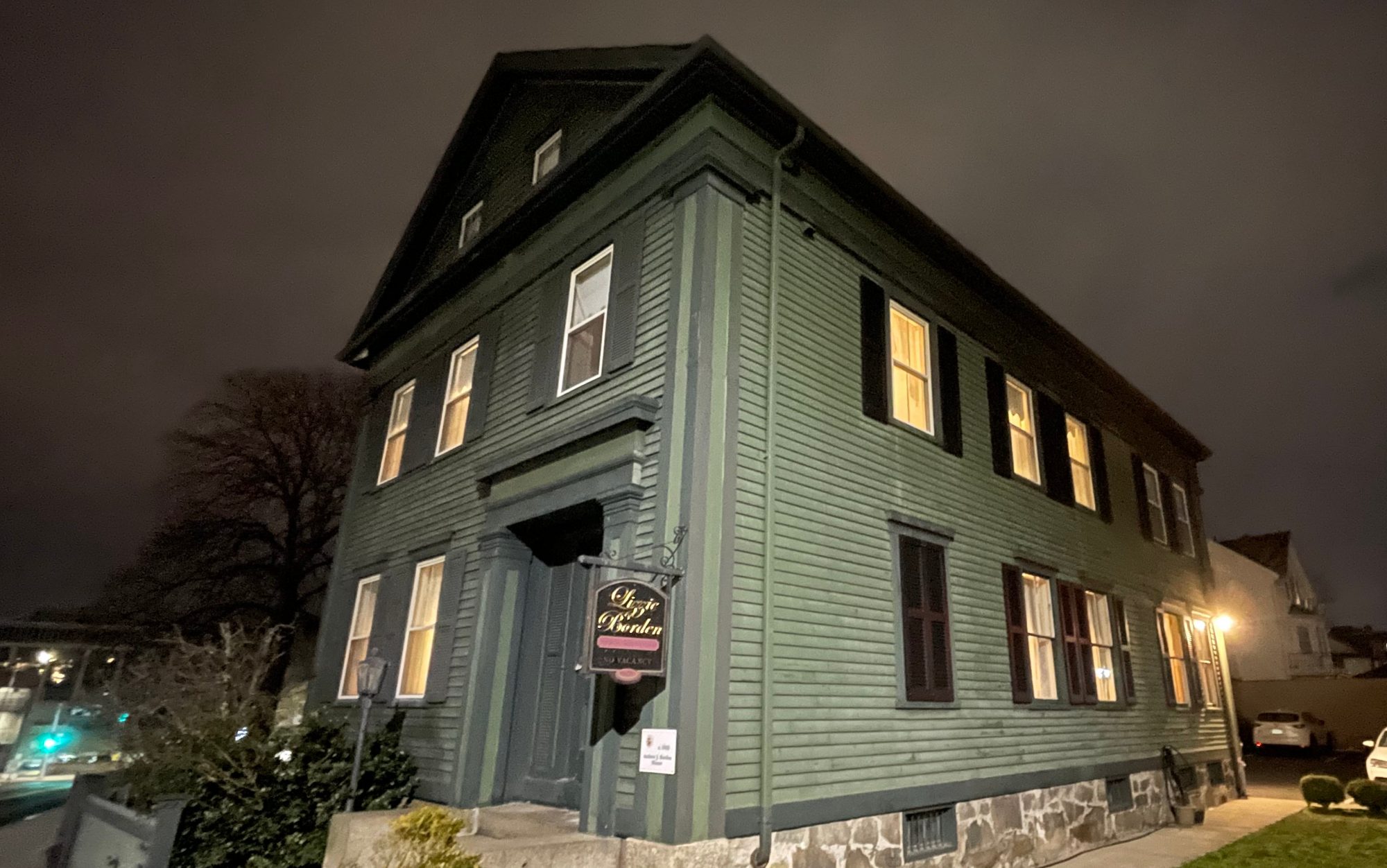
On August 4th 1892, the bodies of Andrew and Abby Borden were found in their home in Fall River MA. Both of the Bordens were killed with a blunt object. The police quickly suspected and arrested Andrew’s daughter Lizzie who was home at the time. The nature of the crime led to national attention and the trial attracted the press. Andrew Borden remarried after the passing of his first wife to Abby Gray. Lizzie and her sister, Emma did not like or get along well with Emma, and the women would frequently fight. Lizzie Borden was arrested on August 11th for the murder of her father and step mother.
The trial began in June 1893 and during it, the prosecution’s evidence was circumstantial. They tried to convince the jury that Lizzie bought poison on the morning of the murders and that one of her dresses was burned. There was no fingerprinting done on Lizzie because it was more commonly used in Europe during this time. Lizzie was never asked to testify at the trial. However, the lack of evidence led to Lizzie’s acquittal.
Lizzie moved from her childhood home to another house in Fall River, where she would live until her death. After gaining her large inheritance, Lizzie was able to enjoy her life with financial stability. Despite the acquittal and her leaving the infamous Borden home, many of the residents were uneasy around her.
Case 2: The Lindbergh Kidnapping – 1932
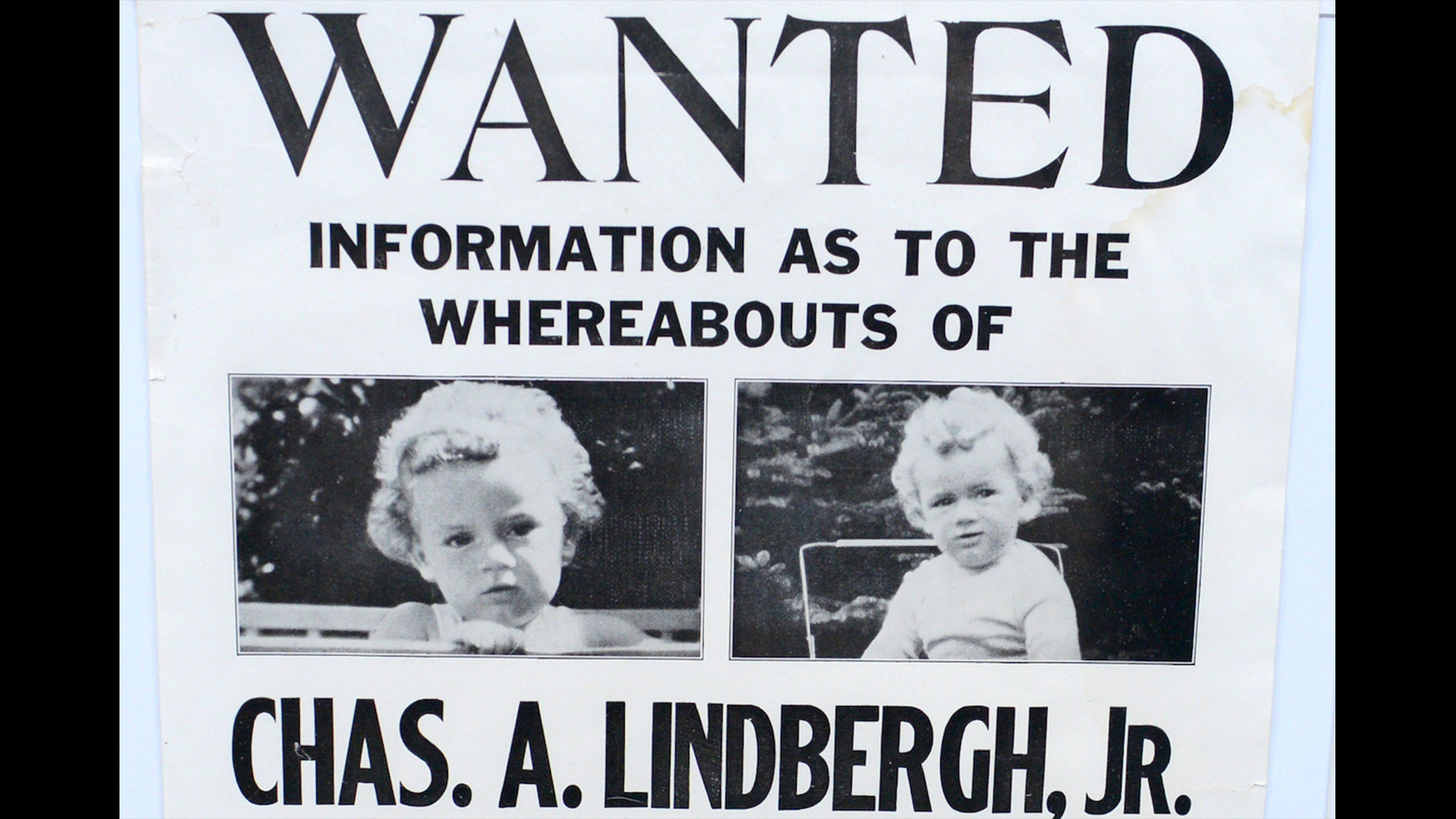
The 20 month old child of famed aviator Charles Lindbergh and Anne Morrow Lindbergh was kidnapped on March 1, 1932 from the Lindbergh home in Hopewell, NJ. After their nurse, Betty Gow alerted Charles and Anne, Charles found a ransom note for 50,000 for the safe return of his young child. The local police along with the state police searched the Hopewell area for clues . In the initial search, they found a fingerprint on the ransom note, ladder and shoe imprints in the mud below the window to the baby’s room. The ransom note was analyzed by two different people that agreed it was written by a person who used broken English. Almost immediately, the media found out about the kidnapping and began running radio reports across the country. The Lindberghs paid the ransom but were led on a wild goose chase. On May 12, 1932, the body of Baby Charles was found near the Lindbergh’s Hopewell home.
The case was used as inspiration for Agatha Christie’s Murder on the Orient Express.The ladder is currently housed at the New Jersey Police Museum.
Case 3: The Black Dahlia – 1947
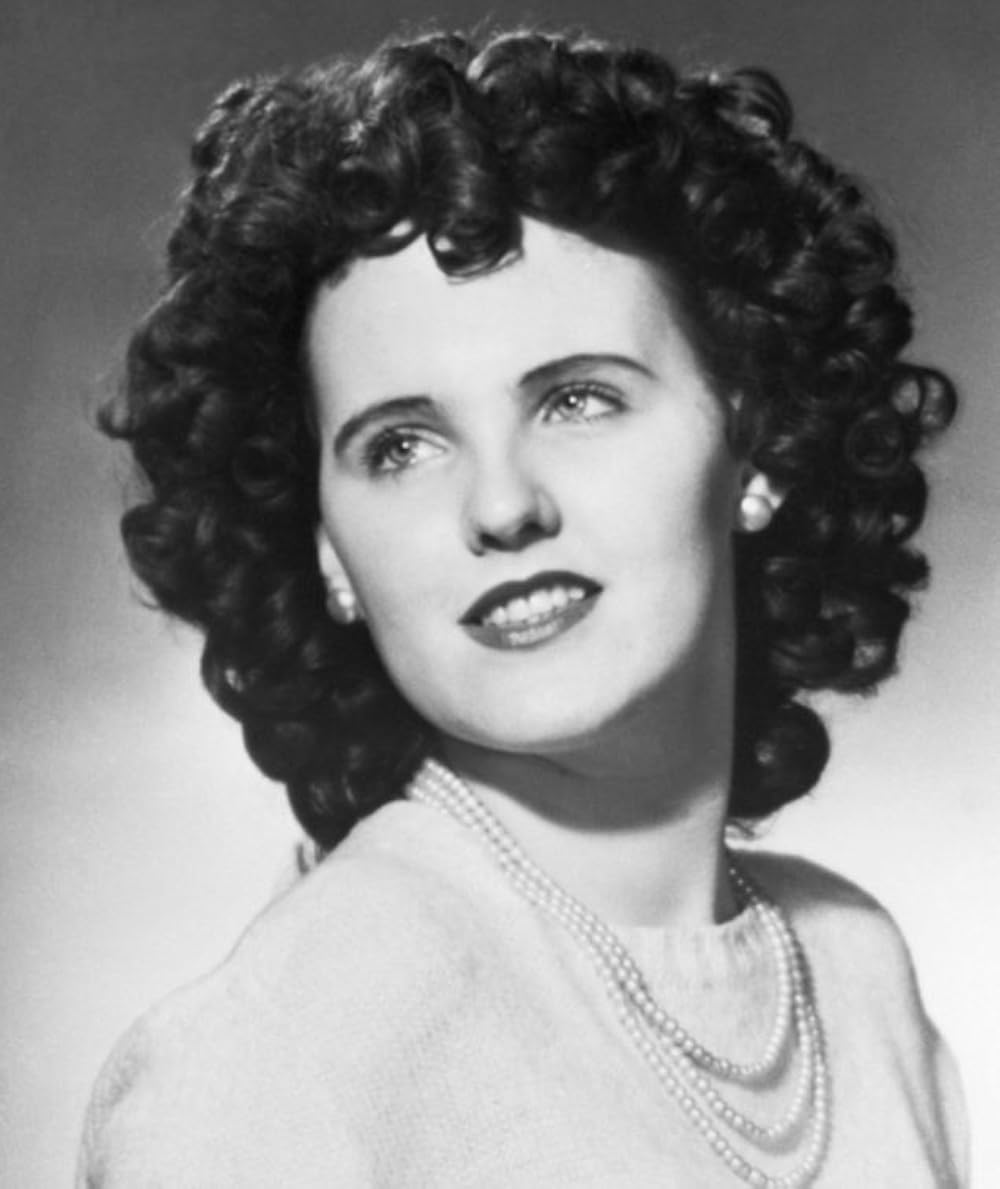
On the morning of January 15, 1947, a mother and her young daughter were walking to a local shoe repair shop where they came across a dead body. At first the woman thought it was a broken mannequin because the body was very white. When she looked at it closer, she realized it was a woman and went to call the police. Police arrived at a vacant lot between Coliseum Street and West 39th Street near Leimert Park. The body was cut in half and was posed. There was no trace of blood, leaving the body a very pale shade of white. There were no fingerprints on the body as it appeared to have been washed by the killer. The killer also created the Glasgow smile on her face as well as several cuts to other parts to her body. News of the body spread like wildfire, leaving police to scramble with reporters over the crime scene. They took her fingerprints and sent them to the FBI for profiling through an early fax machine, Soundphoto. Within hours, the LAPD had a name.
Elizabeth Short was born on July 29, 1924 and was raised by her mother Phoebe and her sisters. Her father left the family when the Depression hit. Before he left, The family moved to Medford MA which is a suburb of Boston. Her mother, Phoebe worked as a bookkeeper. Short was diagnosed with Asthma and had trouble breathing. Some of the doctors recommended that she move to temperate climates to help. Short dropped out of school when she was 16 and moved to California when she turned 18. While living in Santa Barbara, Short was arrested for underage drinking at a local bar. After moving around between California and Florida, Short settled in Los Angeles with a dream of becoming an actor.
On January 9th 1947, she was dropped off at the Biltmore Hotel in downtown LA by her boyfriend, Robert Manley. This was the last time she would be seen alive. The LA Coroner, Frederick Newbarr examined Short’s body on January 16. He determined that she was killed by someone who had knowledge of the body. The killer knew where to cut so that there would be no bone. Short’s body was cut at the 2nd and 3rd Lumbar vertebrae. Newbarr also said that she was amputated after she died. On her face, she was given a cut smile that went ear to ear.
Short was identified by her fingerprints from the FBI from her prior arrest. Reporters from Hearst’s LA Examiner used this information to crank call Short’s mother to get information. When they got what they wanted from her, they told her that Elizabeth was dead. One of the reporters, Jim Murray years later, felt some remorse about the way they handled the phone call. Phoebe could not believe her daughter was dead. A few more days went by before the Medford police came to tell the Short family the news.
The police received several calls claiming to be the killer of the Black Dahlia. Someone called the Examiner on January 21, saying that the paper would receive some of Short’s personal items in the mail soon. When the envelope appeared, it contained Short’s social security number, birth certificate, wallet and an address book. The items were also cleaned with gasoline, thus making fingerprints hard to find. The Address book had a name on the cover, Mark Hansen. Police were able to get partial fingerprints from the items.
About 750 police officers and detectives worked on the case while it was still live. In February of 1947, the trail was starting to dry up. By the spring of that year, the case was now going cold. The tabloids ran all sorts of articles. The LA Examiner called Short the Black Dahlia, which may be a riff on the Noir 1946 film, The Blue Dahlia. Short was known to have dyed her hair black and other darker shades. Some media tried to spin it as she had an affection for the Dahlia flower. It was common at the time for newspapers to give nicknames to murder victims, especially women.
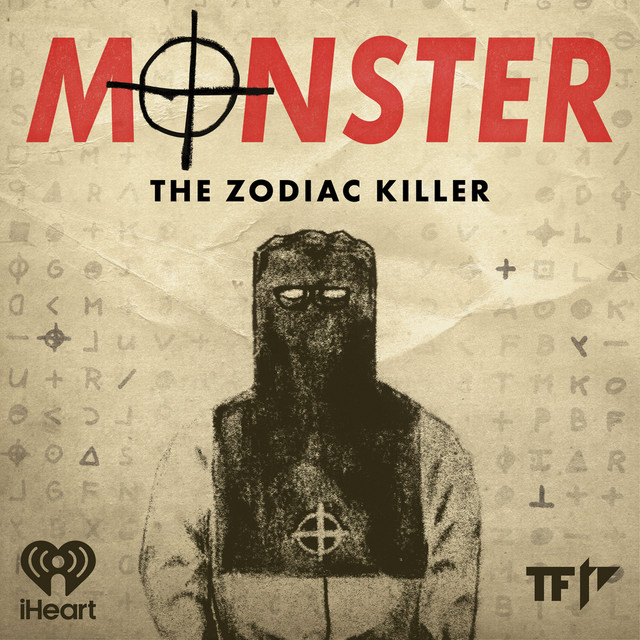
Case 4: The Zodiac Killer California – 1960s
In the summer of 1969, staff members at The San Francisco Examiner received a letter written in code. This would be one of the earliest letters written by The Zodiac Killer. These series of coded letters still stump professionals to this day, especially the letter that contains the Zodiac’s name. The Zodiac’s reign of terror happened in the San Francisco Bay area in the late 1960s and the early 1970s. The legacy of the Zodiac has been captured in popular movies such as Zodiac directed by David Fincher and documentaries.
Police believe the Zodiac killed seven people, but it is believed to be attached to similar attacks in 1963 and 1966. After the first two attacks on December 20, 1968 and on July 4, 1969 the Zodiac began sending more letters to newspapers. The first four letters were sent to Vallejo Times Herald, San Francisco Chronicle, The San Francisco Examiner and the Examiner. In each letter, Zodiac demanded that the ciphers be published or there would be more attacks. The letter sent to the Examiner on August 4, 1969, marked the first usage of the Zodiac name. One month later on September 27, the Zodiac struck again in Lake Berryessa. The surviving victim described a man in a black hood with a circle on the chest who came up to them with a gun. The masked individual tied the victims up under the guise of needing money to flee to Mexico, and began stabbing them. The Zodiac then proceeded to call the police to report the crime and take accountability. The call was traced to a car wash in Napa. The final known victim of the Zodiac was a 28 year taxi driver. Zodiac sent a piece of the shirt that the victim was wearing to the San Francisco Chronicle. Almost as quickly as the letters began, they stopped appearing in 1974.
The police have only identified one person as a suspect throughout the multiple investigations. Arthur Leigh Allen, was their prime suspect but they had no concrete evidence to place him at the murders. Other possible suspects have included Lawrence Kane, Rob Sullivan, Earl Van Best Jr. and more. Writer Robert Graysmith, believed Allen was the true culprit and put his theories in his book, Zodiac which was the basis for the David Fincher movie. Graysmith worked at the San Fran Chronicle during the Zodiac events as a cartoonist but soon became obsessed with the case. Allen was questioned by police several times but nothing ever amounted. Police found bloody weapons in his car, he was dishonorably discharged from the Navy and he was fired from a school district for sexual misconduct. Allen told police he was ambidextrous which investigators could not match directly. The surviving victim of the Lake Berryessa attack identified Allen as the man who shot him. Longtime Zodiac researcher, Michael Butterfield believes Allen is a good suspect if you talk to people that already think he is guilty. The lack of DNA found at the crime scenes has kept this case in limbo for almost the last sixty years. It could also be that the ciphers have no real clue.
Why do we still come back to true crime? The cases we have discussed above range from questionable outcomes to unsolved cold cases. In the case of Lizzie Borden, was it her father’s frugal and controlling behavior that drove her to murder, or was she innocent all along. Could baby Charles have been targeted because of Charles’s political views? Did the corruption in the Los Angeles Police Department contribute to the long standing cold case of Elizabeth Short? Will modern forensic science determine who the Zodiac killer really is? Unfortunately these questions may never be answered. As more people have questions about true crime in general, it puts pressure on law enforcement to reexamine evidence with modern technologies. A big draw towards true crime is for entertainment. According to recent studies, researchers attribute the growing rise of interest to the enjoyment of puzzle solving. Professor Patricia Bryan of UNC Chapel Hill says true crime is “like going to a haunted house” reinforcing this idea that people like the challenge of solving problems and the thrill of adrenaline. Statistically, women are more prone to encounter more violent attacks and coincidentally make up the high percentage of true crime fans. In an article in Psychology Today, Dr. Rutledge discusses that women find true crime to be used as a warning or what to look out for if they encounter someone wanting to cause harm. If this trend continues, it looks like true crime will continue to capture the imaginations of television viewers, amateur detectives, and more. To read more about true crime please check out our further reading section below.
Further Reading
https://www.unc.edu/posts/2024/01/11/why-are-we-fascinated-by-true-crime/
https://courier.unesco.org/en/articles/when-reality-bites-what-draws-us-true-crime
https://www.fbi.gov/history/cases-and-criminals/lindbergh-kidnapping
https://people.com/crime/zodiac-killer-case-cipher-solved-by-codebreakers-after-51-years/
https://www.history.com/articles/could-any-of-these-men-have-been-the-zodiac-killer
https://www.pbs.org/wgbh/roadshow/articles/explainer-the-lindbergh-baby-kidnapping-trial/
https://www.history.com/this-day-in-history/march-1/lindbergh-baby-kidnapped
https://www.history.com/articles/the-capture-of-the-charles-lindbergh-baby-kidnapper
Recent Comments